By KAEDENCE EAMES
Social media content about dogs is not just cute animal tricks, it is also changing the way people feel about street dogs. In Nepal, animal organizations are finding new audiences — and vital financial support — online.
Sneha Shrestha, founder and owner of Sneha’s Care, is using TikTok and Instagram to expand support for her shelter and to advocate for animal welfare.
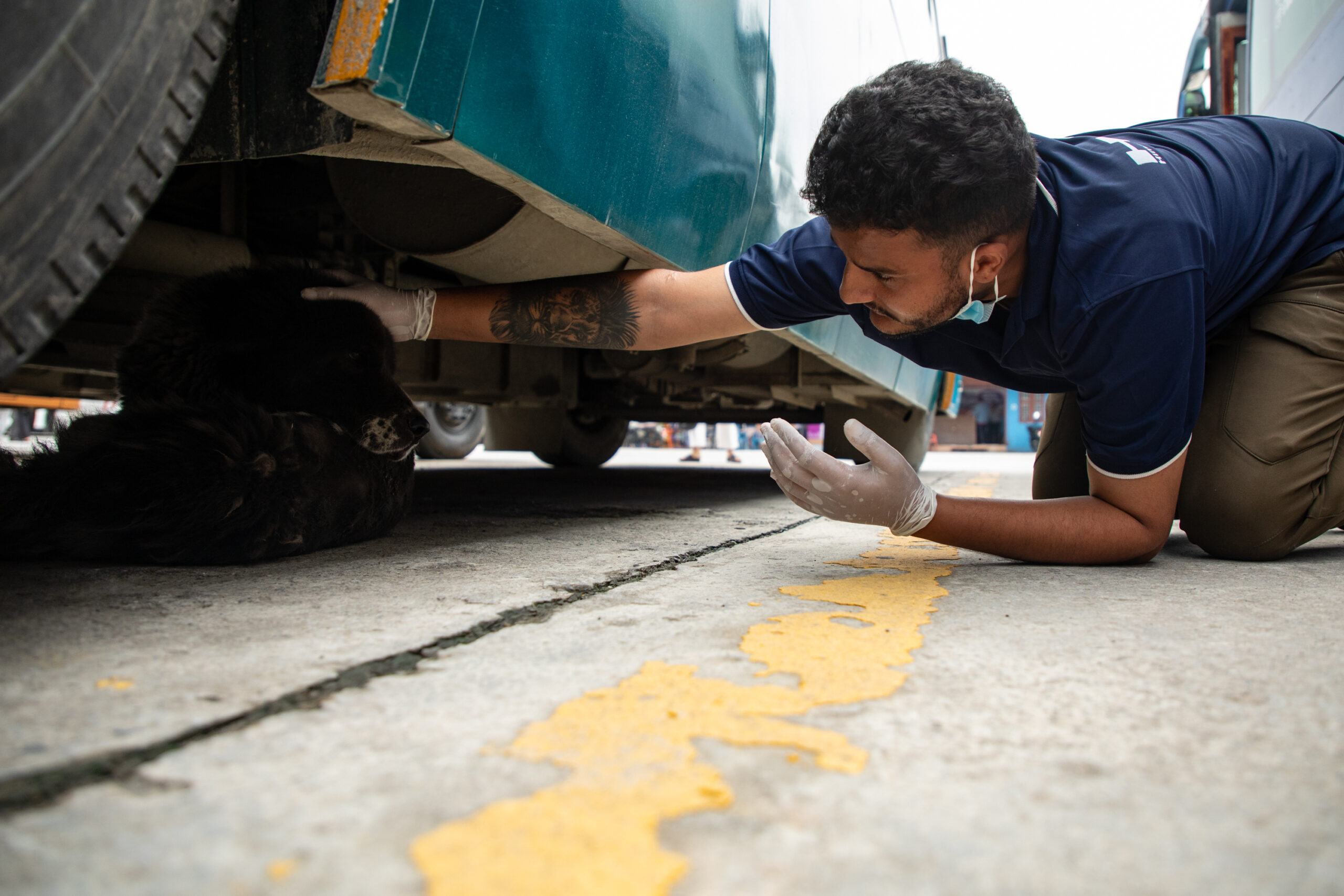
Shrestha opened her shelter in the Lalitpur municipality and works to rescue dogs that struggle to survive in bustling Kathmandu. She said that most of her rescues are the victims of hit-and-run accidents.
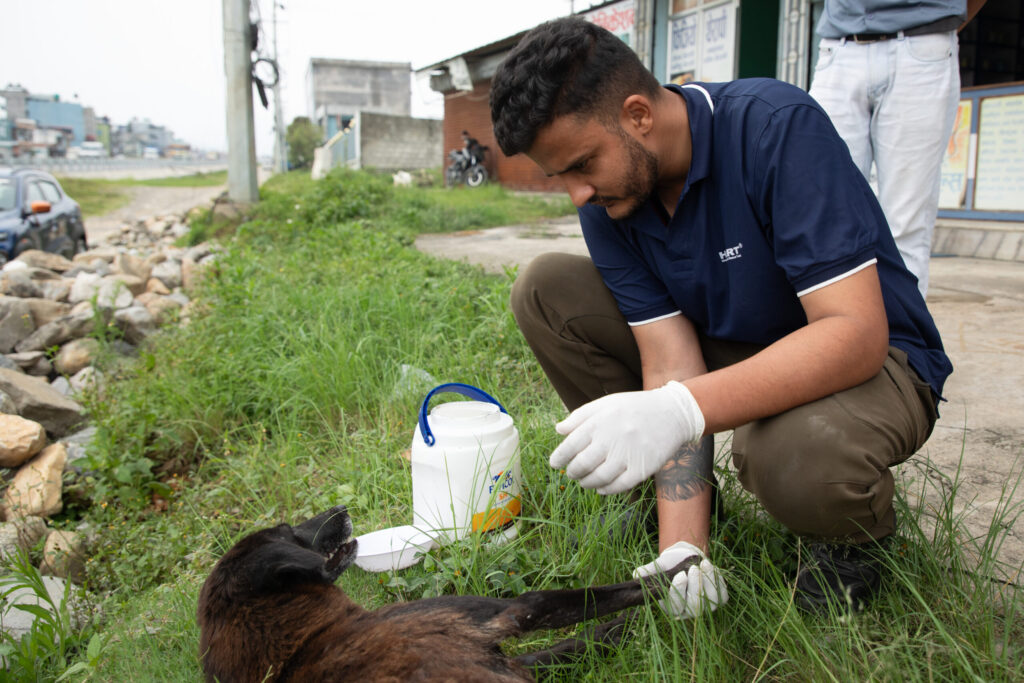
When they receive a report of a dog that’s been hit, they work to capture it if its injuries aren’t life threatening. They have it spayed or neutered, vaccinated and re-release it once it’s recovered.
Shrestha has around 150 dogs in her care at the shelter on any given day. She said her team treated about 2,500 dogs in 2026. She estimated that it costs between $8,000 and $9,000 to run the shelter each month. Shrestha used to fund the shelter herself. Now, it receives support from donors all over the world, who learn about the shelter through her TikTok and Instagram pages.
“Our donors are individual animal lovers,” she said. “Social media has played a huge role in advocacy and helping us to gain more donors.”
Shrestha said that a changing narrative about dogs has helped her cause. The shelter has 65,000 followers on TikTok, many of whom are Westerners who are touched by the dogs and rescue operations that she highlights in her videos

While social media has helped animal welfare groups expand their reach, it has also made it easier for health professionals to document and respond to the challenges posed by street dogs.
Dr. Amir Sadaula works in wildlife veterinary science in Chitwan National Park through the National Trust for Nature Conservancy. He said that street dogs have begun to influence his work as dog-wildlife conflicts are becoming more common. He also said that social media has made such conflicts easier to track.
Sadaula described an instance where a viral TikTok video helped his team track down a diseased leopard in Pokhara. The video shows a man grabbing and pulling the leopard’s tail on a highway. This sort of interaction with a large cat would usually be dangerous. But in this case, the cat didn’t react, and instead stared straight ahead into a stone wall with no sign that it had registered the human touch.
“I was able to track the leopard from the video,” Sadaula said. “It was rescued within a few days and died quickly, likely from contact with a feral dog.”
Sadaula shared another video of the leopard taken after it was rescued. The leopard is in a handling crate, shaking violently, with no apparent control over its body and hardly any life left in its eyes. Post-mortem brain tissue scans later revealed that the cat died of canine distemper.
“Leopards are unfortunately moving closer to communities to find food and are interacting with dogs there,” Sadaula said, explaining how the cats are being exposed to such diseases in the first place. “In some cases, they are feeding on dogs that have already been killed by distemper and then picking it up themselves.”
Sadaula said that his team was able to vaccinate about 1,000 dogs for distemper in the area surrounding Chitwan in 2025. He also expressed gratitude that the original TikTok video had gone viral in the first place, as it allowed his team to track a case that was further away from their research station.
“This is one of the ways in which social media can help us with conservation and wildlife rescues,” he said.
While Sadaula sees social media as a tool for conservation, Shrestha said she feels one of the greatest impacts has been changing how people view street dogs.
Shrestha believes that exposure to different perspectives about pet ownership has helped young people, specifically the Gen Z population, start to think differently about dogs in Nepal.
“Young people are more likely to want dogs as pets now, but it’s usually the parents that still say no,” Shrestha said. In Nepal, dogs generally live on the street and are considered part of the community, not property.
She also said that she has seen general human compassion toward animals grow in Nepal.
“There are more dog lovers now,” Shrestha said.