By HATTIE BATCHELDER
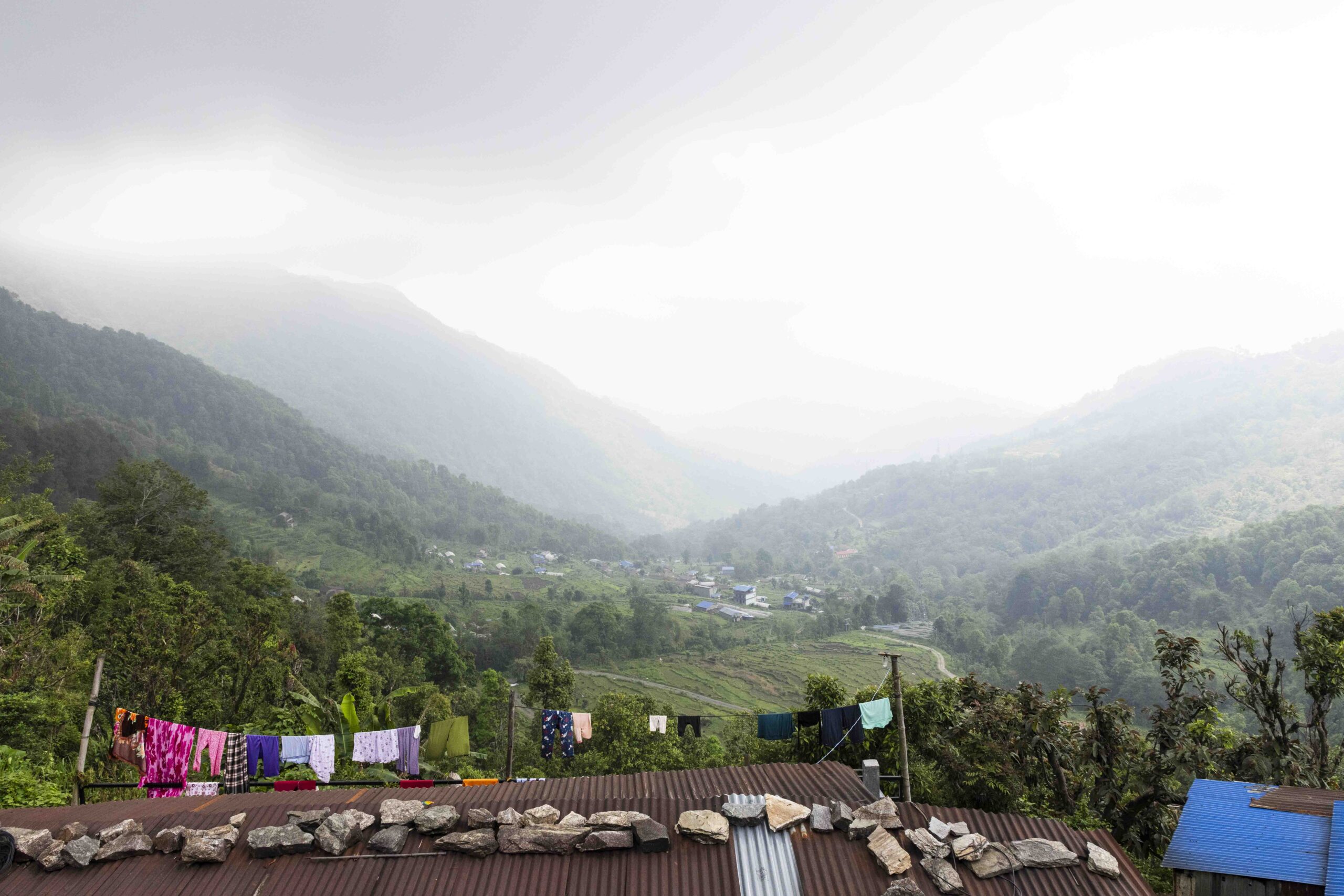
Deep in Nepal’s Annapurna Conservation Area, trekkers are surrounded by dense forests, mist-covered trails, and lively teahouses. The region is famous for its dramatic mountain scenery and biodiversity, but another resident is impossible to ignore. Tiny vampires lurk in the dewy leaves and the cracks of the rocky trails, blood suckers otherwise known as land leeches.
Known scientifically as Haemadipsa sylvestris, these small, worm-like creatures thrive in the damp forests and muddy trails of the Annapurna region. Though they are not known to spread disease, they are relentless blood suckers that latch onto exposed skin with surprising speed. For many visitors trekking through the conservation area during the rainy months, an encounter with leeches can be a memorable and unsettling part of the journey.
The leeches are most active during Nepal’s monsoon season, which typically lasts from mid-June through early September. Heavy rainfall and humid conditions create an ideal environment for them to emerge from wet vegetation and puddles in search of an unsuspecting hiker. Since they are lacking in good vision, the leeches actively sense movement, body heat, and vibrations, stretching upward from leaves or soil to cling to passing animals and hikers.
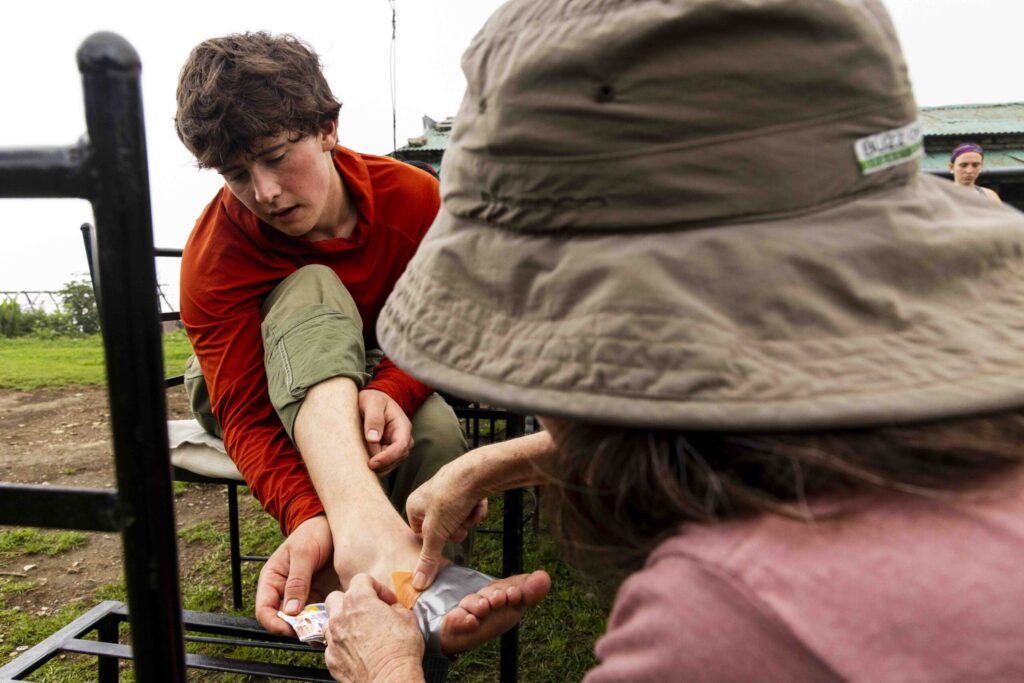
Once attached, the leech uses tiny jaws to pierce the skin while releasing an anticoagulant that prevents blood from clotting. As a result, bleeding can continue long after the leech is removed. Many trekkers first notice them only after spotting blood stains on socks or hiking boots.
Despite their unnerving appearance, locals and conservation workers who spend months in the forests tend to treat them more as an inconvenience than a danger. Dr. Ramji Acharya, a conservation officer working in the Annapurna Conservation Area, said years on the trails have made him almost indifferent to them.
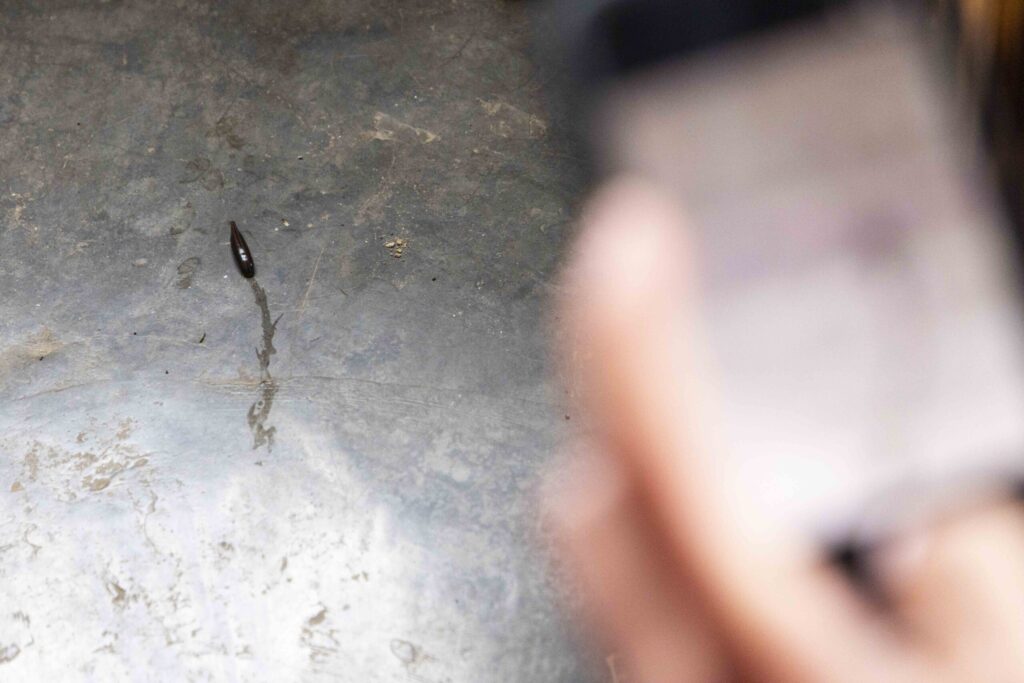
“I once had about 40 or 50 on my ankle in the rainy days,” Acharya said, casually plucking a leech inching toward his sneaker and flicking it onto the concrete like it was a crumb.
For seasoned guides and residents, the best defense is preparation rather than fear. Hikers along the trail can apply and reapply hand sanitizer onto their shoes and ankles, which serves as a leech repellent. Some more experienced locals or guides carry salt or tobacco with them as deterents.
As much as they are dreaded by visitors, the leeches do play an important role in the ecosystem. As part of the jungle’s food chain, they feed on mammals and amphibians and in turn become prey for birds and other animals. Their frightening presence can be a reminder of the rich biodiversity of the region.
Still, for first-time visitors trekking through the rain-soaked forests, the experience can feel somewhat like a living nightmare. A peaceful mountain trail can quickly turn into a frantic search for tiny black creatures crawling up boots and ankles. For locals like Acharya, however, these little vampires are simply another addition to the trails.
“Monsoon season is the most favorable for the leech,” Acharya said with a laugh. “Not so much for human.”