By NOAH EPPS
In the mid-1970s, the crocodile-like gharial was nearly extinct from its traditional range. Conservation efforts in Nepal have stabilized their decline, but climate change-related weather irregularities still threaten the vulnerable species.
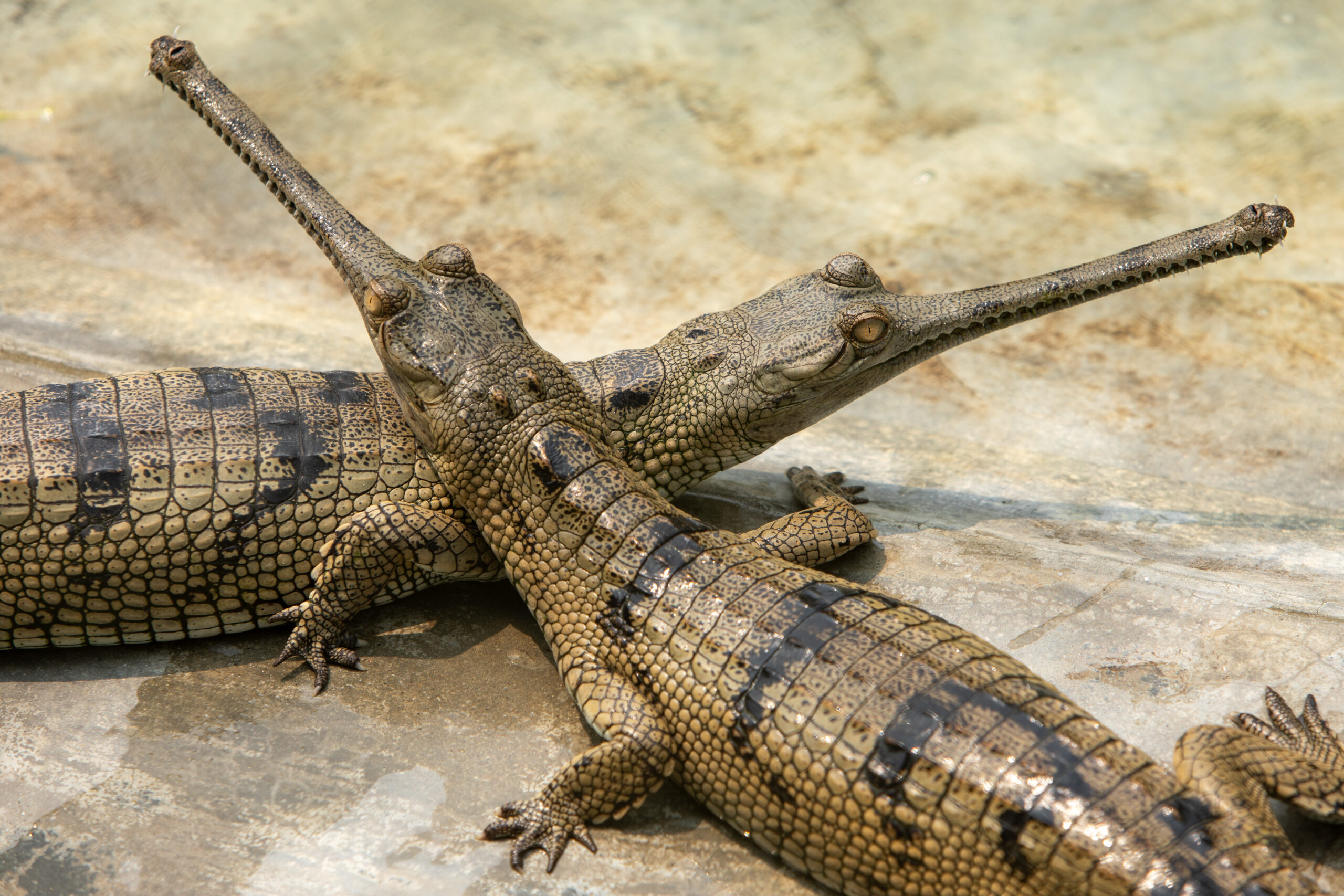
The gharial is a critically endangered crocodilian species native to the Northern India subcontinent. It is known for its long, beaklike mouth and tiny teeth used for catching fish. It is a symbol of conservation in Nepal. Once found in all the major river systems of the Indian subcontinent, the gharial now inhabits only 2% of its former range.
Gharials are incredibly vulnerable due to their specific requirements for survival. In the 1950s, an antimalarial campaign in the Terai region of Nepal paved the way for a mass influx of people into the lowlands. With that came overfishing, sand extraction and river pollution. Gharials are piscivores, which means they only eat fish, and they need fresh sand to lay and incubate their eggs.

“They usually prefer to lay eggs and make their nest in freshly made sand on the riverbanks. The sands that are deposited last year or a couple of years back, the sand is too old,” said Aashish Gurung, a conservation officer with the National Trust for Nature Conservation, an organization that conducts research in Chitwan National Park.
In 1976, only 200 gharials remained worldwide compared to their previous population of thousands just three decades earlier. To combat this decline, in 1978 Chitwan National Park established a gharial breeding center within the park to hatch eggs in a controlled environment and then release young gharials when they reach adequate size. Since its inception, the breeding center has released over 1,000 gharials into the rivers of Chitwan.

A study published in 2024 that analyzed population data for gharials cautiously suggested that the species is making a comeback in Chitwan, but that substrate (sand) extraction, illegal gillnet fishing and river fragmentation from a dam are still limiting their recovery.
Gurung said the breeding program has stemmed the decline of the population but growing the population is proving challenging. It “has at least helped us maintain the burial population in our wild,” he said.
Many of the pressures that have threatened gharials in the past have been addressed within the boundary of Chitwan National Park, a new threat looms on the horizon.
Yearly, from the months of June to early September, monsoon season hits Nepal, pouring an average of 64 inches of rainfall on Chitwan National Park. While this phenomenon is nothing new to the gharial, climate induced fluctuations to this pattern pose threats to the reptile. Early rains threaten gharial nests found in the soft sands of riverbanks.
“When it comes earlier, the nests they get flooded, and the eggs get flushed away before they are hatched,” Gurung said.
Irregular rainfall also puts the adults at risk. In July and August, gharials make their way to small river systems where the impacts of flooding are less significant. When rainfall comes at an unexpected time, the gharials’ can get confused and their instincts to migrate thrown off.
According to Dr. Amir Sadaula, a veterinary officer with the NTNC, gharials have also been making their way to unusual territory, where people are not as educated on how their activities impact the animals.
“It’s familiar to the gharial, but it’s unfamiliar for the human,” Sadaula said.
The tight regulations within Chitwan National Park limit activities like fishing with gill nets, which often entangle gharials. But outside of the park’s jurisdiction, are at risk of encountering human factors again.
While the breeding center has shown some promise in the preservation of the gharial in Nepal, further research is needed to examine how climate irregularity may threaten the species.