BY JULIAN CLEMMER
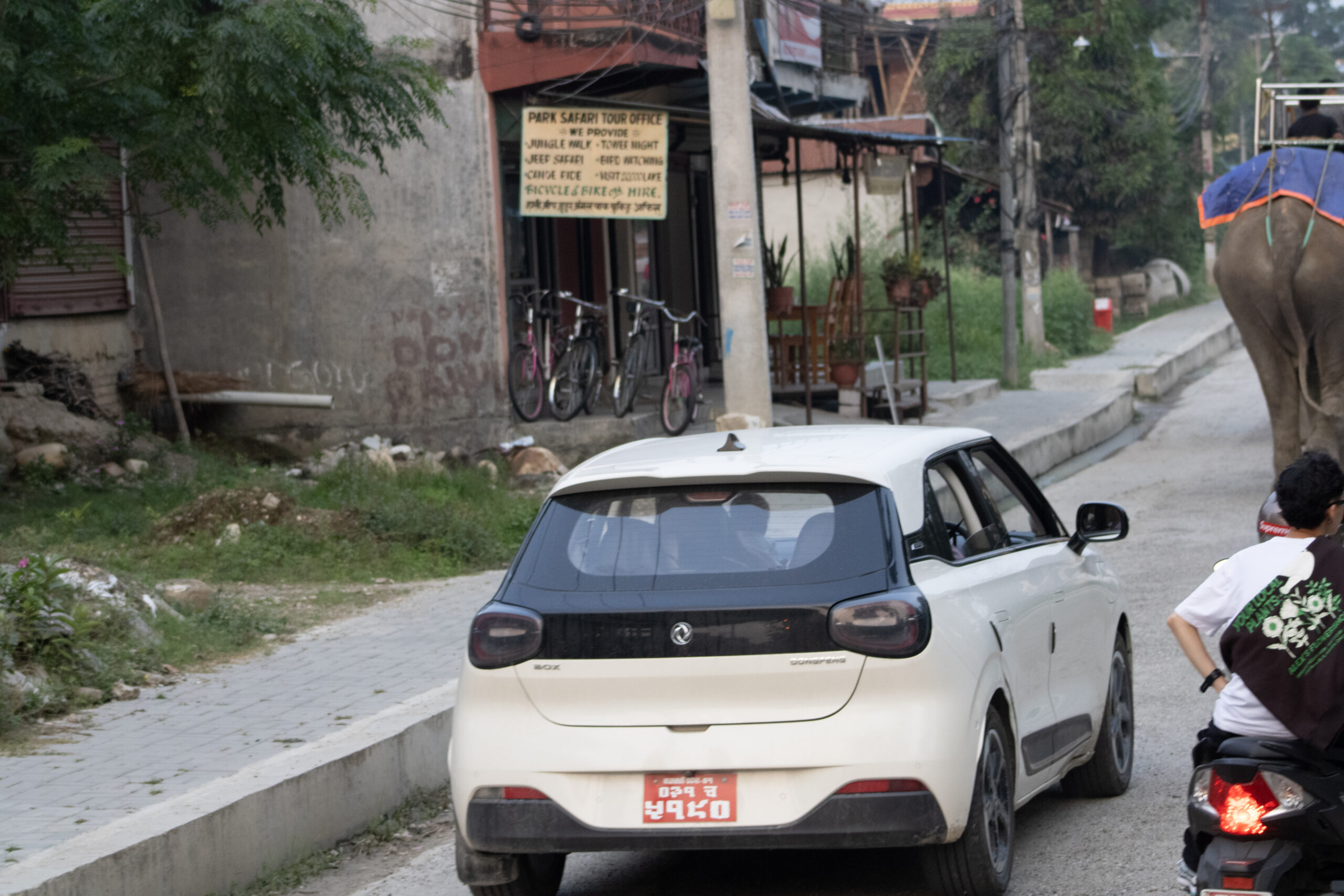
Getting around Nepal can be tricky. Busses, cars and trucks all weave in and out of traffic. Driving on the left-hand side of the road keeps American pedestrians on their toes crossing streets. The passenger vehicles driven on the streets of Nepal are often much smaller than their American counterparts and two-wheelers are among the most popular way to get around.
Mopeds and motorbikes make up a crucial part of the vehicle economy and are sourced from many different places. The motorbike choices in the country are mainly from neighboring India and China. Some of these brands are Indian auto manufacturers or Indian assembly plants of massive auto companies like Honda and Suzuki.

Along with motorbikes and conventional four-wheeled cars, China also exports the newest auto trend to Nepal: electric vehicles. According to an article by the Economic Times, 76% of all automobile sales in Nepal between the years of 2024 to 2025 were electric vehicles – the fastest growing EV market in Asia.
Nepal’s relationship with e-vehicles is driven by rational self interest. Nepal is a landlocked country, sandwiched between the basin of the Ganges river plain and the Himalayan mountain ranges; between the economic and military powerhouses of India and China. None of these countries possess substantial oil reserves; each imports most of their oil from other countries such as Russia, America, and the various oil-rich nations of the Middle East.
For Nepal, this means all petroleum-based fuel is imported into the country through its neighbors, putting Nepal at the mercy of international borders and the interest of the petro-dollar. This dependence has been made even worse by Iran’s closure of the Hormuz Straight earlier this year.
Gas prices have skyrocketed across the globe, especially in the developing world. The price of gas in Nepal has shot up 28% to over 200 Nepali rupees per liter – roughly $5.36 per gallon. The average annual salary in Nepal is just over $7,000. With many other things like rent and power to pay for, the staggering price at the pump is putting Nepali drivers in a vice.
It’s all a boon for the Chinese automobile industry. Nepal and China have a long historical and economic relationship and with the rise of India as a regional powerhouse, diplomacy and economic ties between the three countries matter more than ever.
The BYD and other Chinese vehicles demonstrate the strength of those ties. EVs manufactured by BYD and Xpeng Motors cost considerably less than Western competitors.
In Nepal, a Chinese-made EV can go for as low as two million Nepali rupees (about $13,000,) while the lowest Western equivalent – the Kia – costs about 6,990,000 Nepali rupees ($45,400.)

Electric mopeds, a common feature on the roads, can cost under 500,000 Nepali rupee (about $3,000,) a much more affordable option in Nepal. These prices are all for new vehicles, meaning used automobiles of both kinds can go for even less.
While Nepal and other countries can choose between Chinese and Western EVs, Americans will have to wait. In 2024, the Biden administration put a steep tariff on all Chinese-made EVs imported into the nation. This tariff removed the substantial price advantage of the Chinese EVs, giving US manufacturers a leg-up in American markets. The Trump administration has not reversed the policy.