By KAEDENCE EAMES
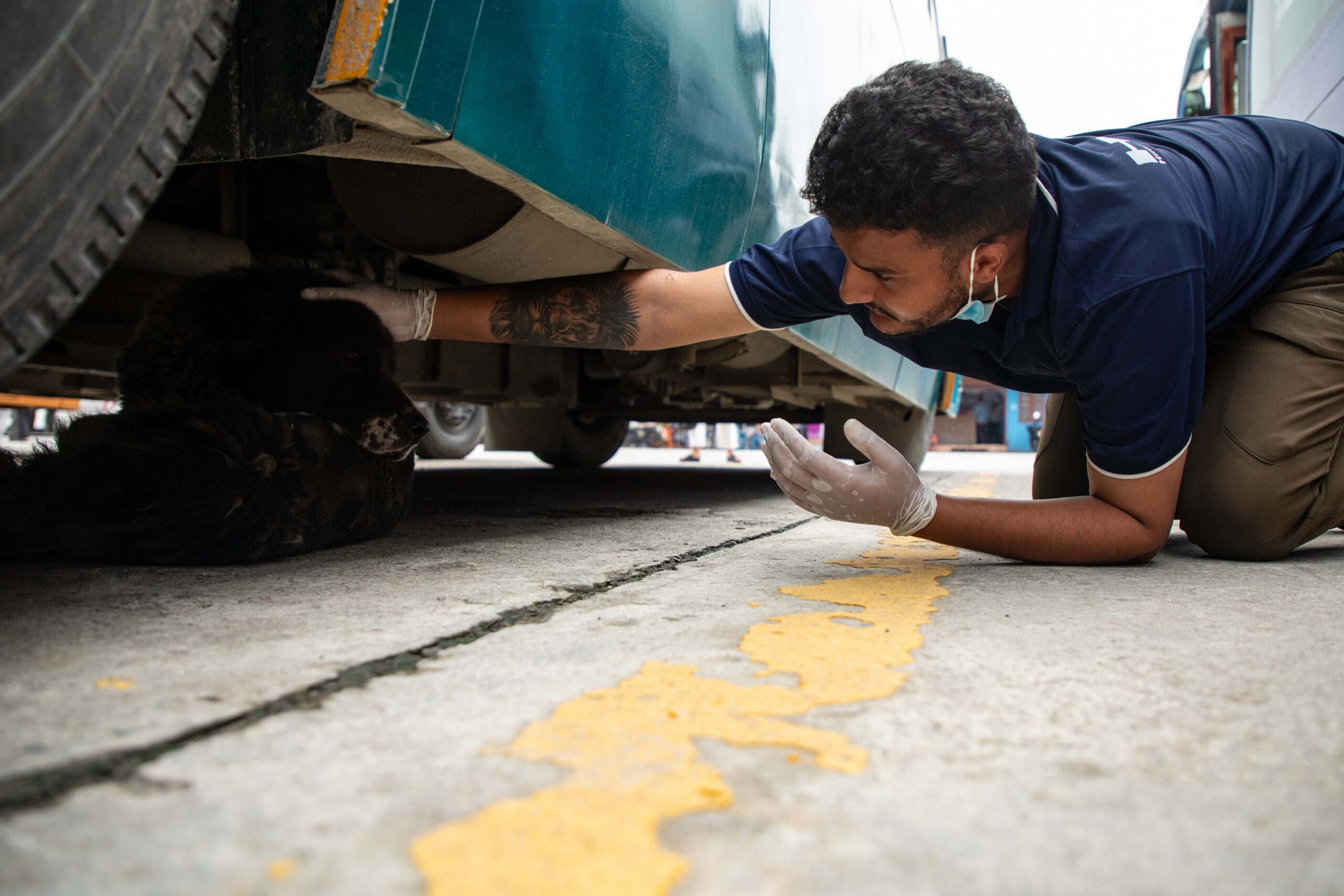
Sneha Shrestha was working at a trekking agency in Thamel when the idea for Sneha’s Care first came to life. She didn’t quite have the money to open her shelter yet, but she carried dog biscuits in her purse to feed any street dogs she passed.
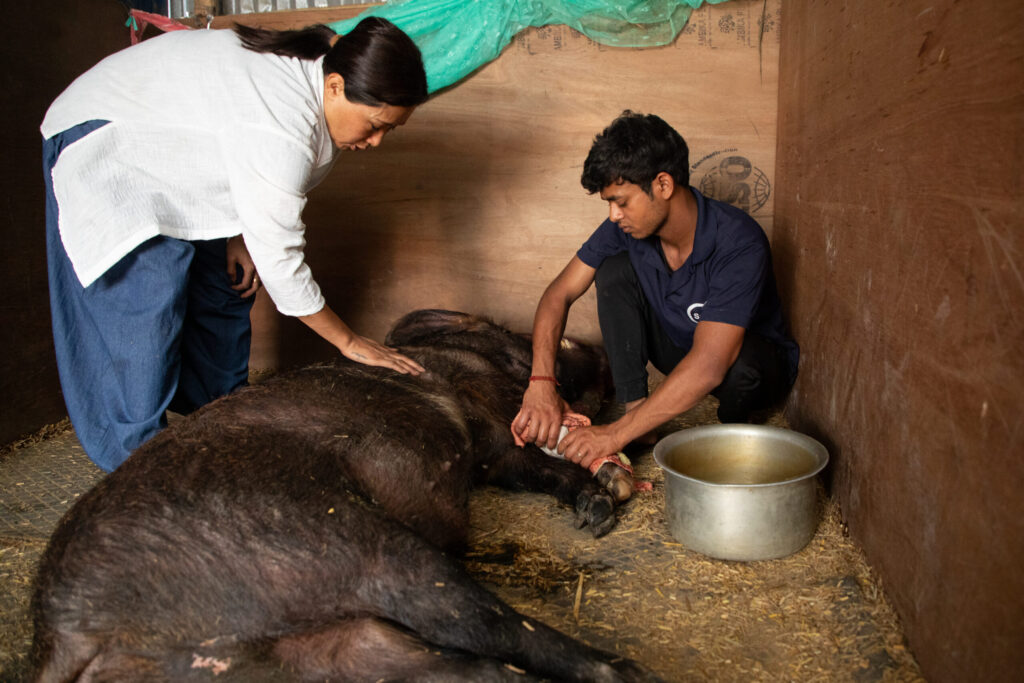
Sneha’s Care, a shelter primarily fit for stray dogs, officially opened in the Lalitpur municipality of Kathmandu in 2014. About a decade ago, Shrestha also began taking in common livestock animals as a part of her bigger project: Advocating for veganism in Nepal.
Shrestha became a vegan after she rescued her first calf. She found the calf without a mother while she was working to rescue a dog in the area. She took in the calf with the hope she could get it back on its feet. When the calf died a few days later, Shrestha found herself feeling guilty about consuming dairy, because providing milk and cream were the only reasons the cow and calf pair were in the city under human care in the first place.
“I’m the reason that they were suffering,” she said. “It’s the milk in our tea and other things like that that we think we can’t live without.”
She changed her eating habits and became a vegetarian in 2015, and found herself to be a vegan by 2016. However, she didn’t know that her diet had an official name.
“I had never even heard the word ‘vegan’,” Shrestha said. “I had a conversation with a westerner about my lifestyle and they were the one that told me, ‘Oh, so you’re a vegan’.”
On average, a Nepali citizen consumes roughly 39 pounds of meat each year. Additionally, they consume almost five gallons of milk per year. Eating vegan in Nepal is not impossible, given that many traditional Nepalese foods, like vegetable momo or dahl baht, are inherently vegan. Hindu values also restrict the consumption of beef. However, water buffalo and goat meat frequently make their way onto the menu. Shrestha’s advocacy for veganism is a direct contradiction to parts of the local food culture, but she has started to see ripples in the plant-based world.
Shrestha says she feels as though she’s seen veganism become more popular since she first changed her diet 10 years ago.
“I only remember ever seeing one or two vegan restaurants when I first became a vegan,” she said. “Now, there’s at least 10 close by in Lalitpur.”
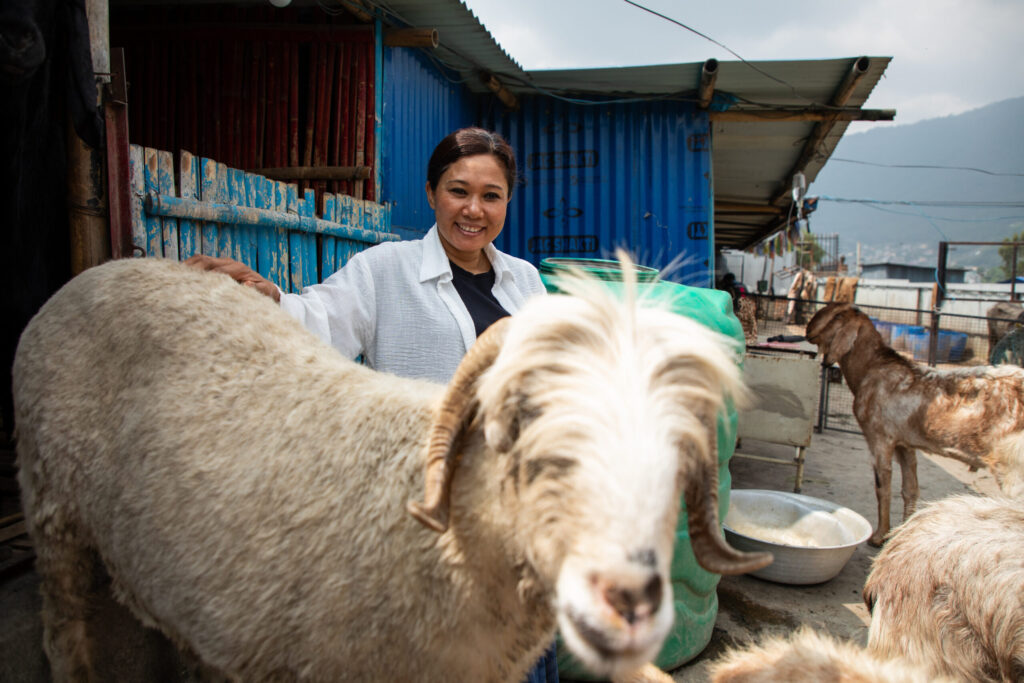
Shrestha contributes to this rise by spreading information in her community. Sometimes this looks like organizing Veg Fest, an event that features sustainable products, vegan food and awareness activities. Sometimes it also looks like running community outreach programs to teach children in local schools about the concept of veganism. These initiatives are important because they teach other Nepali people about the variety of diets they might embrace.
Shrestha believes that social media and the younger generation are a big cause for the turn toward plant-based diets, which has made teaching in schools such an important part of her mission. Donations are the largest source of income for the group, and she feels that social media exposure is incredibly important for their cause.
“Our donors are individual animal lovers,” Shrestha said. “ Social media has played a huge role in advocacy and helping us gain those donors.”
Shrestha also said that young people in Nepal are the ones shifting their attitudes toward dogs, and beginning to see them as pets. Traditionally, entire communities see dog “ownership” as a joint effort rather than an individual responsibility, meaning that dogs never really live under one roof and aren’t being fed by the same hands every day. A change of perspective in the younger generation is a hopeful sign that her work of trying to inspire others to see animals as something other than food may be paying off.
“When I first started, people used to laugh at me,” Shrestha said. “But it’s for the animals. I am vegan for the animals.”